

Entering 2026, clearer fiscal and monetary signals support a more risk-on outlook, as AI, private credit, gold, India and crypto reset into more compelling opportunities.
Key Takeaways:
- Improving fiscal discipline and a less activist Fed support a clearer, more risk-on outlook for 2026.
- Late-2025 AI selloffs reset valuations, improving opportunities across AI and related themes like nuclear.
- After a tough 2025, BDCs and managers like Ares now offer more attractive yields and valuations.
- Gold continues to re-emerge as a global monetary asset, and pullbacks offer better entry points.
- India remains a high-conviction growth story, while crypto is long-term bullish but near-term mixed.
Key risks to consider:
Market risk and volatility can lead to losses; sector and theme exposures (AI, nuclear, BDCs/private credit, gold, India, crypto) can be especially volatile and may underperform; outcomes are uncertain. Risk of capital loss. Past performance is not a reliable indicator of future results.
As we move into 2026, markets are operating in an environment with something investors have not had in years: visibility. That clarity around fiscal policy, monetary direction and major investment themes supports a more constructive, risk-on posture, even as selectivity remains critical.
Fewer Fiscal and Monetary Surprises Ahead
One of the most important developments for markets is the gradual improvement in the U.S. fiscal picture. While deficits remain elevated, they are shrinking as a percentage of GDP from the historic highs reached during the COVID period. This fiscal stabilization is helping anchor longer-term interest rates and reduce tail risks.
At the same time, Treasury Secretary Scott Bessent has articulated a new Federal Reserve philosophy that is less activist and more restrained. His comments suggest that the upcoming Fed Chair appointment process in May should be smooth, alleviating fears of institutional disruption or politicized monetary policy.
On rates, Bessent’s characterization of current interest levels as “normal” is telling. Markets should not expect aggressive or destabilizing short-term rate cuts in 2026. Instead, the outlook points to steady policy, modest adjustments, and fewer shocks—another contributor to improved visibility.
Key risks to consider: Macro conditions can change quickly; fiscal, inflation, and central bank policy outcomes may differ materially from expectations, impacting rates and risk assets.
AI Bubble Has Popped, Creating Good Setup
After a sharp selloff in selected AI-related stocks late last year, the AI trade looks more attractive today than it did at the “nosebleed” levels seen in October. By “AI-related,” we mean companies with material exposure to AI-driven demand, such as semiconductors, data-center infrastructure, cloud platforms and other enablers of compute, rather than any firm merely marketing AI as a theme. Importantly, the correction has occurred even as underlying demand for compute, tokens and productivity gains remain strong.
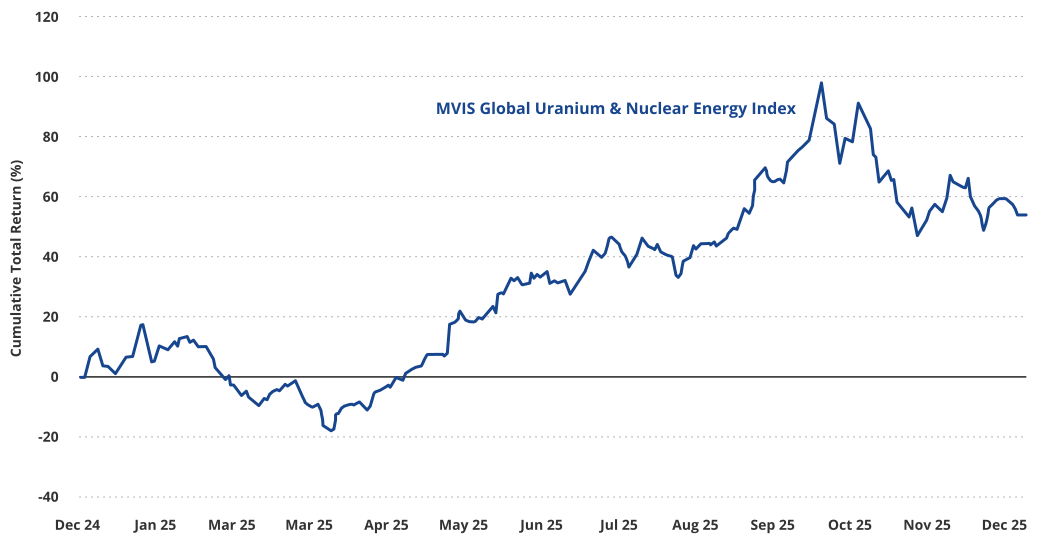
Adjacent themes, such as nuclear power tied to AI-driven electricity demand, have also repriced meaningfully. In our view, this reset improves the risk-reward profile for investors with a medium-term horizon.
Nuclear Stocks Corrected in Q4
Key risks to consider: AI and nuclear-related equities can be highly volatile; valuation compression, competition, regulation, project/execution risk, and shifts in demand or policy could lead to significant losses.
BDCs Back in Focus
Business development companies (BDCs) experienced a difficult 2025, but that correction has created opportunity. With yields remaining attractive and credit fears largely priced in, BDCs now look more compelling than they did a year ago.
The same is true for the management companies behind them, such as Ares, which now trade at valuations that are far more reasonable relative to their long-term earnings power and track records.
Key risks to consider: BDCs/private credit involve credit and default risk, leverage, and liquidity risk; dividends/yields can fall, and downturns or higher funding costs can impair NAV and returns.
Gold: A Global Monetary Asset
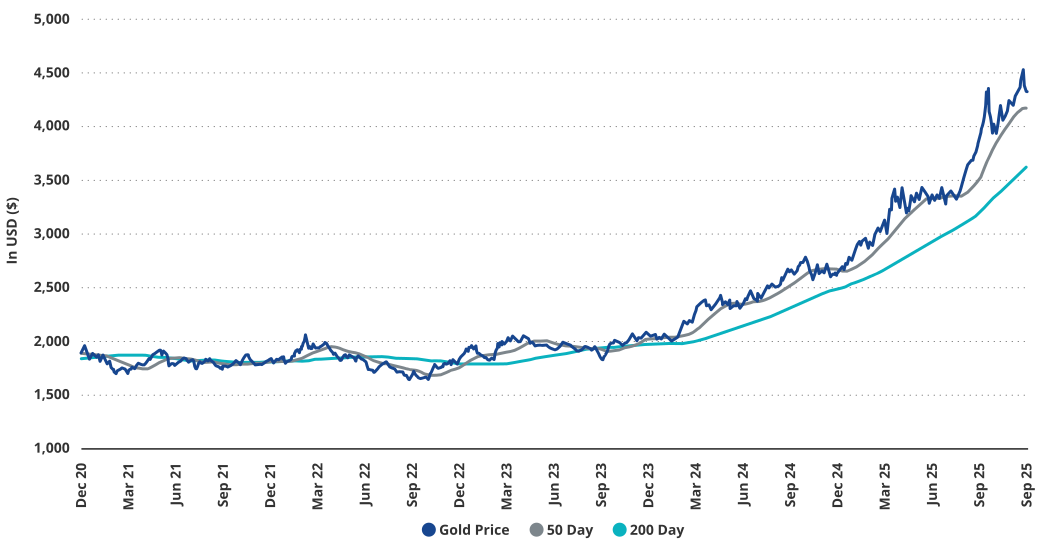
Gold continues to re-emerge as a leading global currency, driven by central bank demand and a world that is increasingly less dollar-centric. While gold appears somewhat extended from a technical standpoint, we view pullbacks as opportunities to add exposure. The structural case remains intact.
Gold Above Support But Demand Isn’t Going Away
Key risks to consider: Gold can be volatile, provides no income, and is sensitive to real rates, USD moves, and changing central bank/investor demand; drawdowns can be prolonged.
Opportunities in India and Crypto
Beyond U.S. markets, India remains a high-conviction, long-term opportunity, supported by structural reforms and durable growth dynamics.
In crypto, Bitcoin’s traditional four-year cycle broke in 2025, complicating short-term signals. While our near-term view is mixed, we remain long-term bullish, recognizing both the volatility and the structural adoption trends at play.
Key risks to consider: Emerging markets carry higher volatility, FX and political/regulatory risk; digital assets are extremely volatile and face regulatory, custody, technology, and market-integrity risks, including the possibility of total loss.